Yamaha
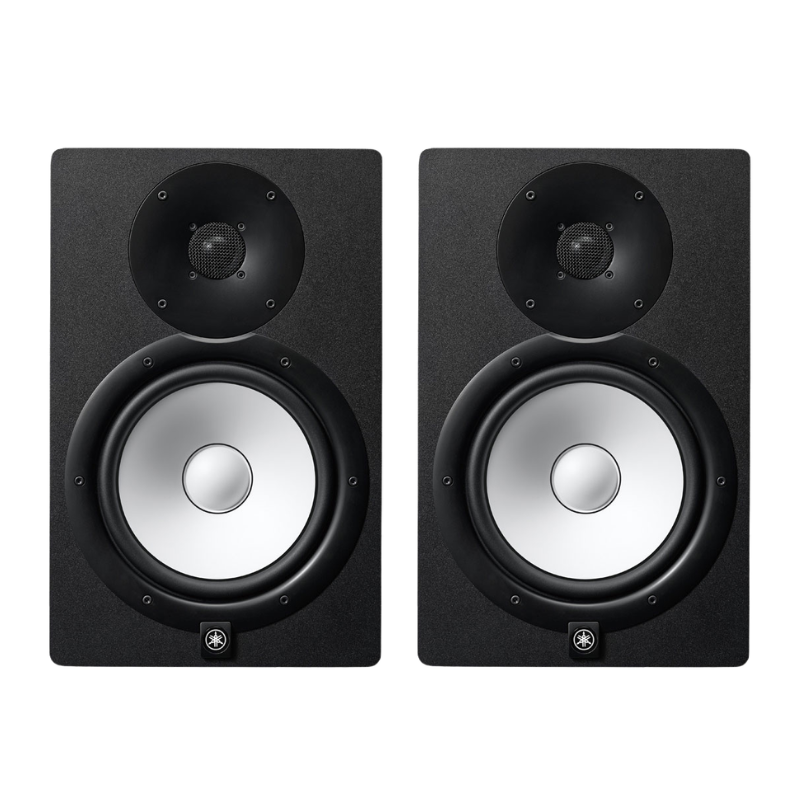
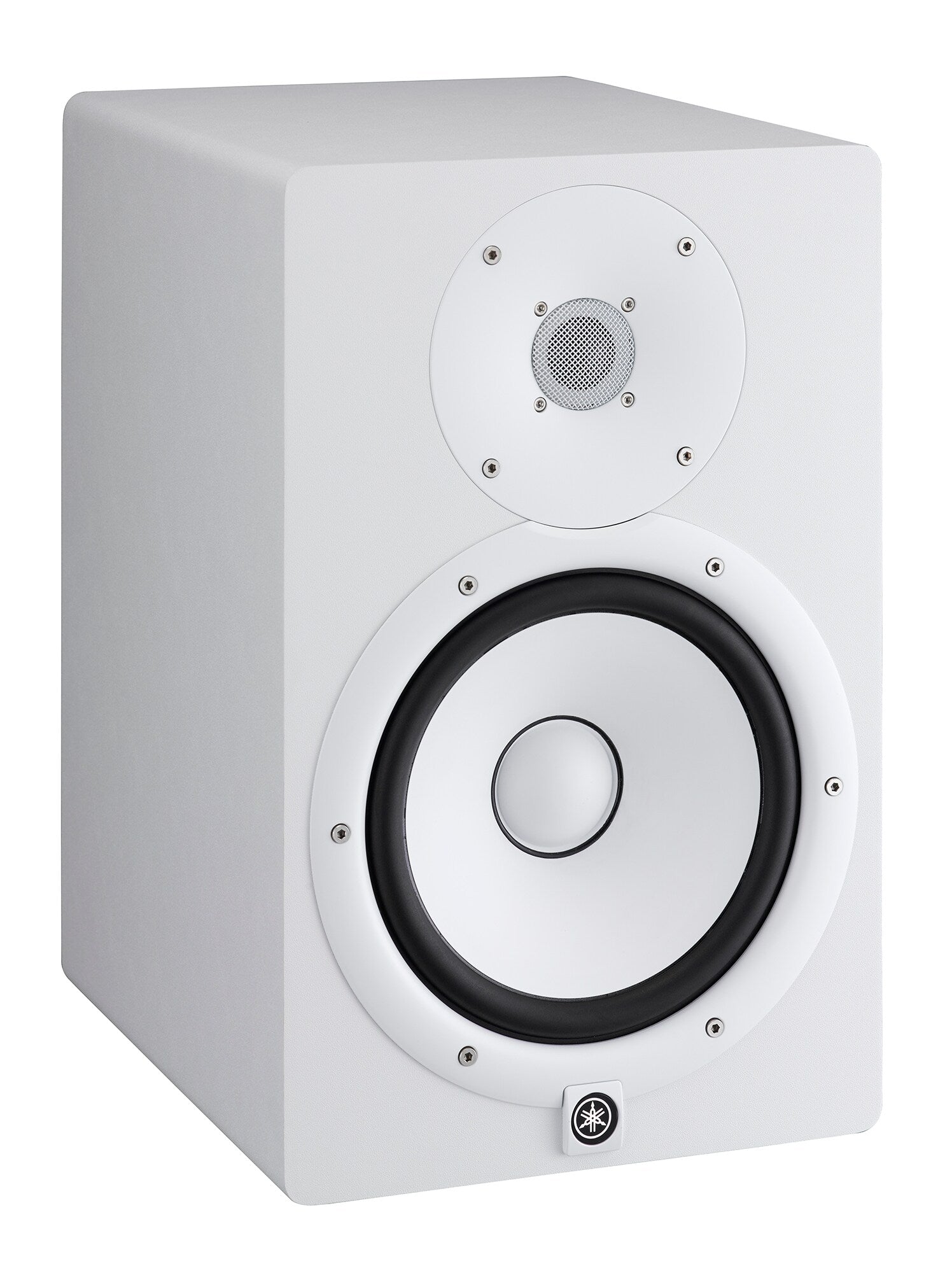
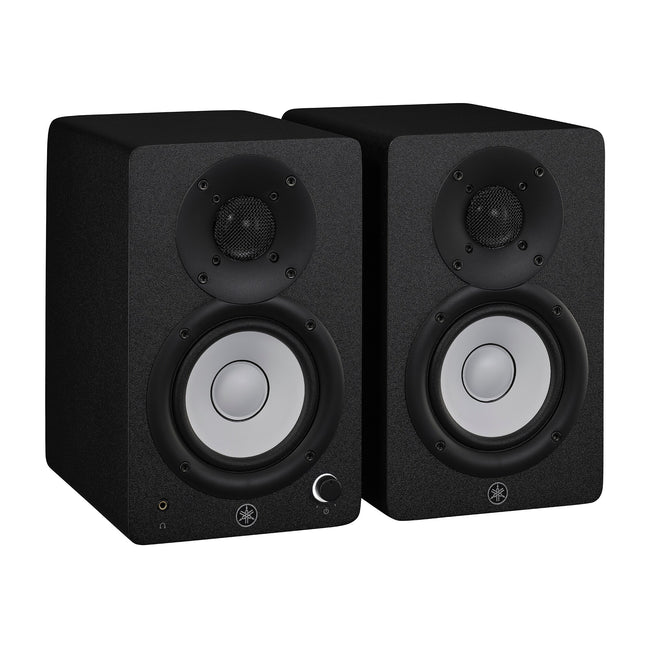
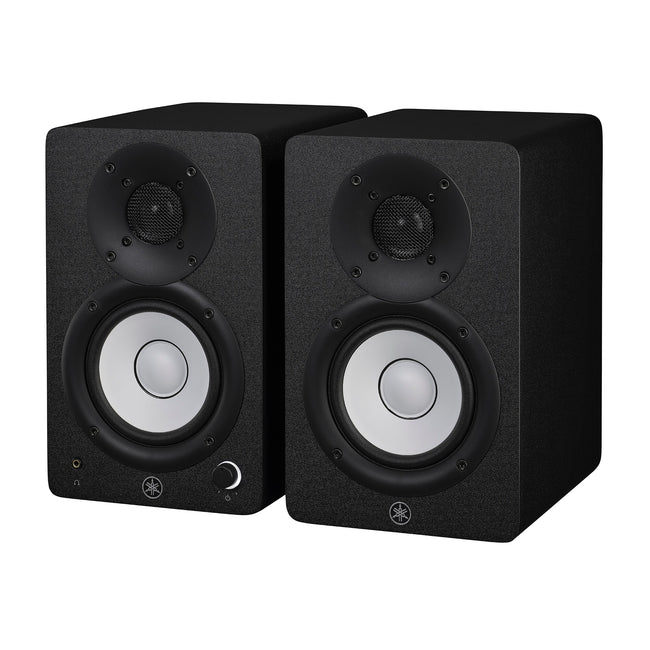
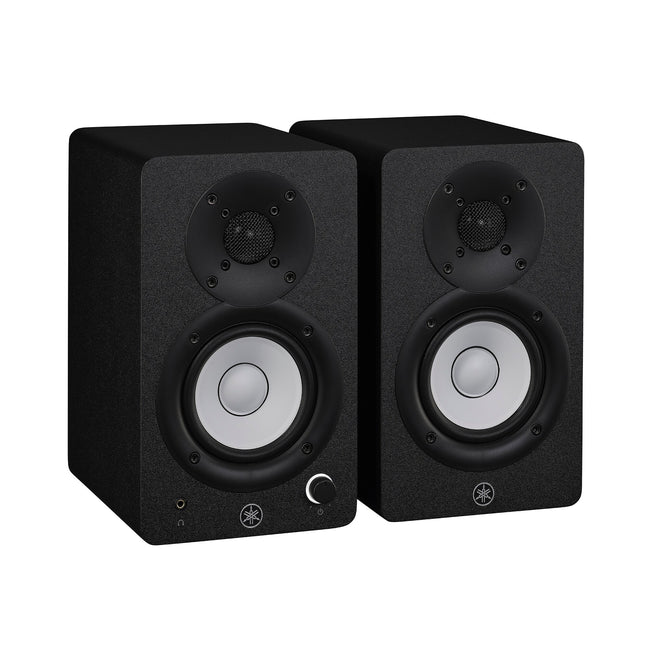
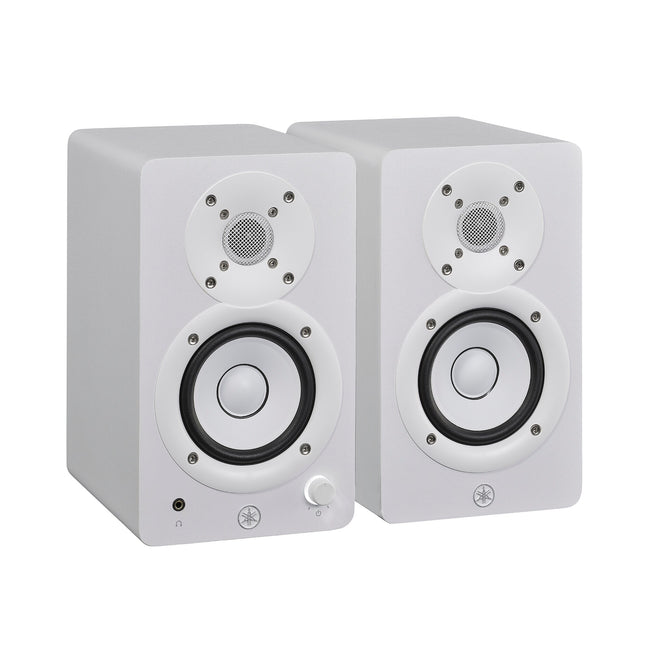
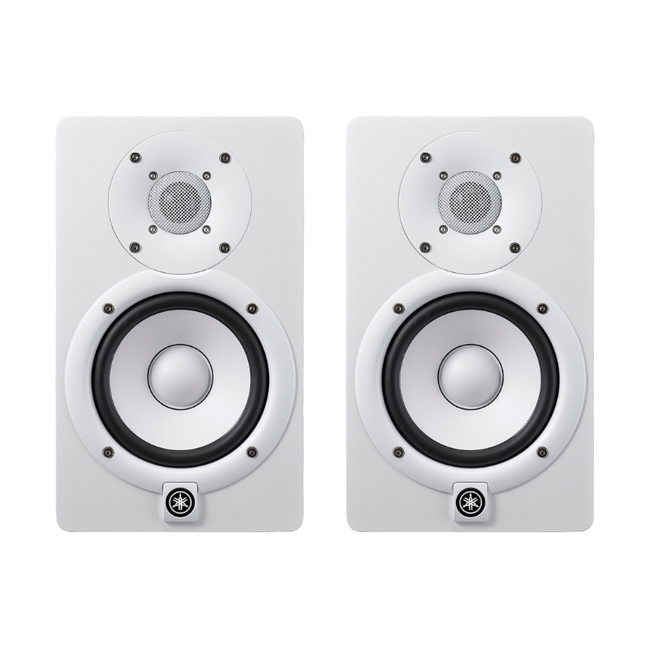
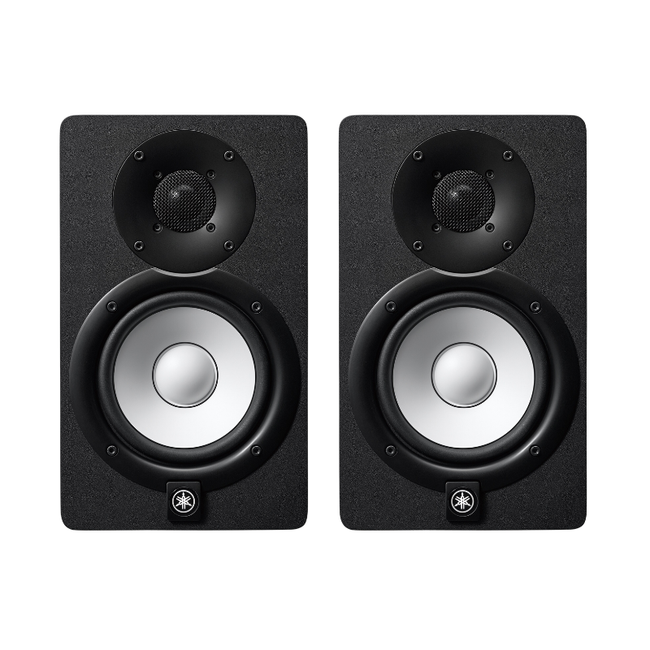
Yamaha HS8 8-Inch Powered Studio Monitors (Pair)
Yamaha HS8 8-Inch Powered Studio Monitors (Pair)
The big one - and it needs a room to match. Pair, matched pair or single.
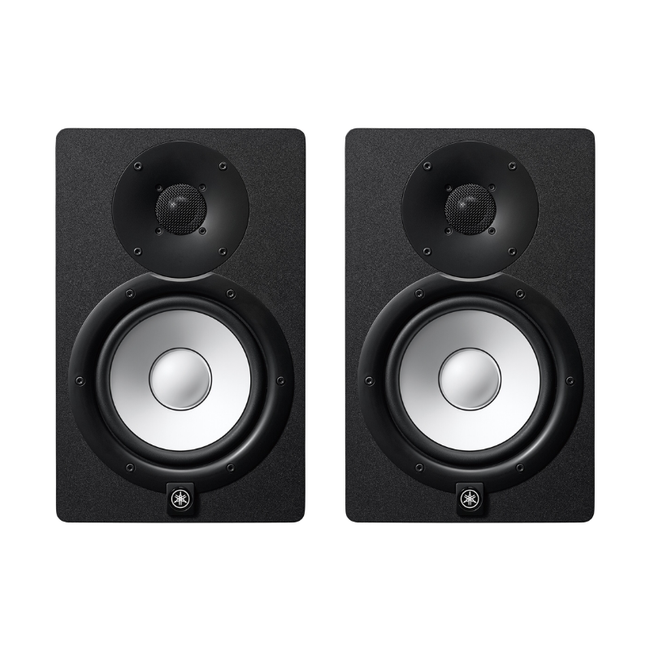
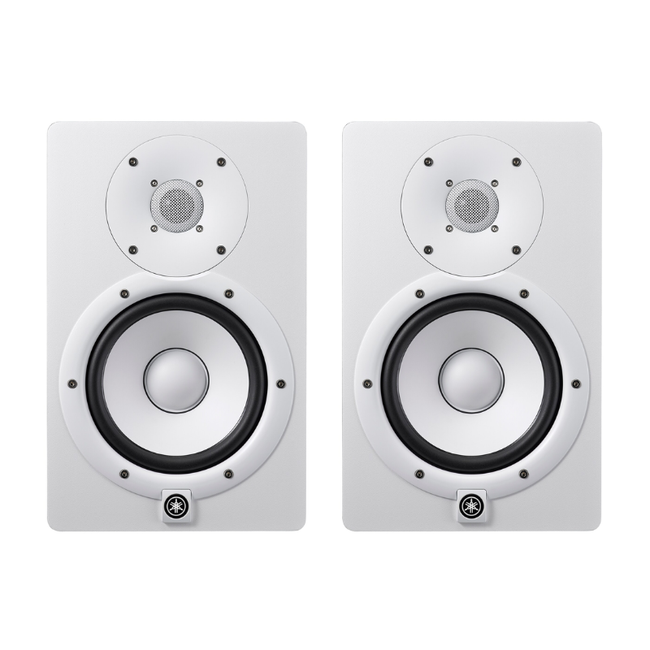
- Available as a pair, a factory matched pair or a single speaker - each independently powered
- Bi-amplified 120 W per speaker: 75 W woofer, 45 W tweeter, 2 kHz crossover
- Frequency response 38 Hz-30 kHz - the deepest reach of any HS monitor
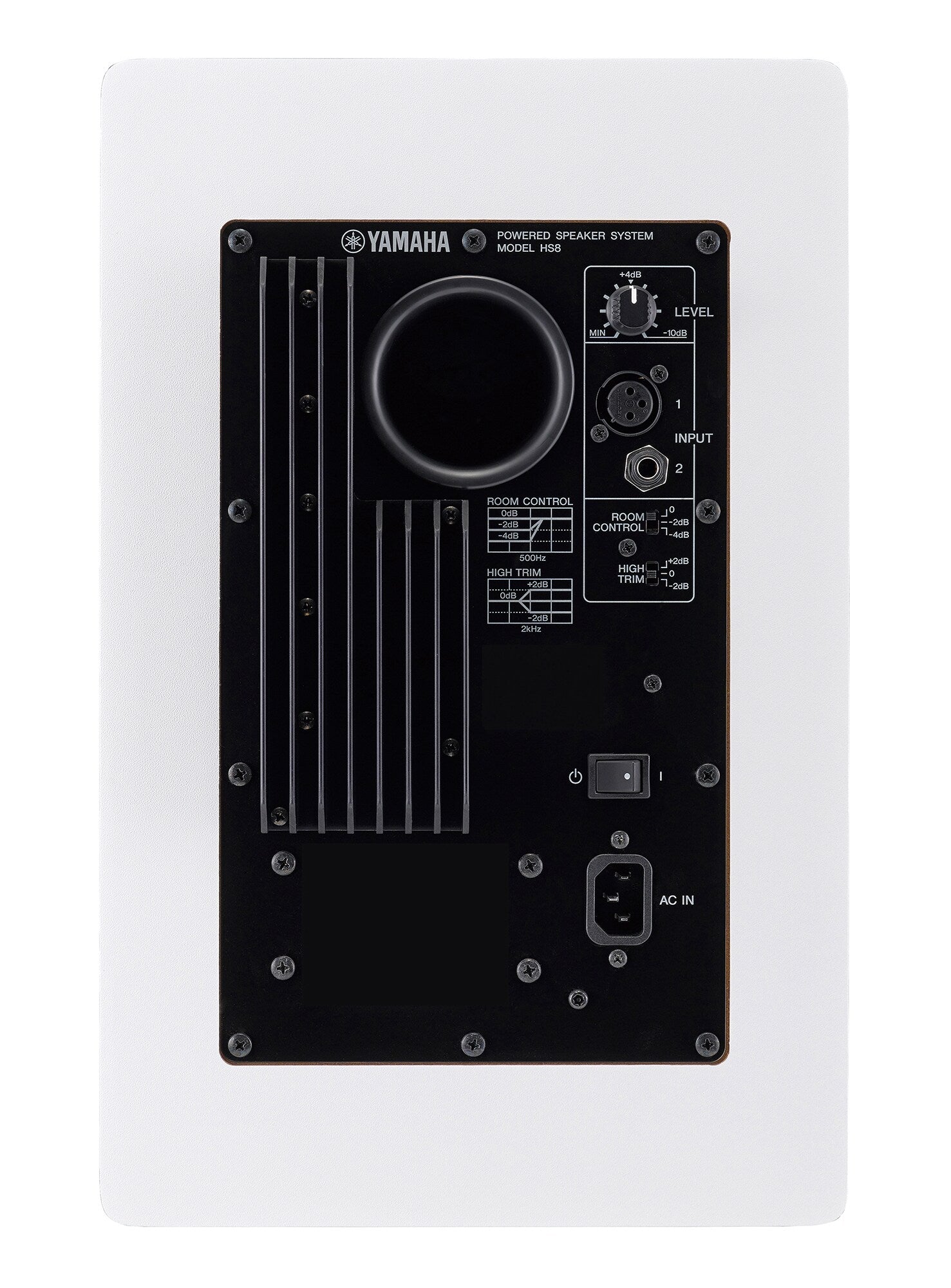
- Balanced XLR and TRS inputs - an audio interface or mixer is required
- 10.2 kg per cabinet, with Room Control and High Trim switches
Product details
Watch & Hear It
The Big One — and It Needs a Room to Match
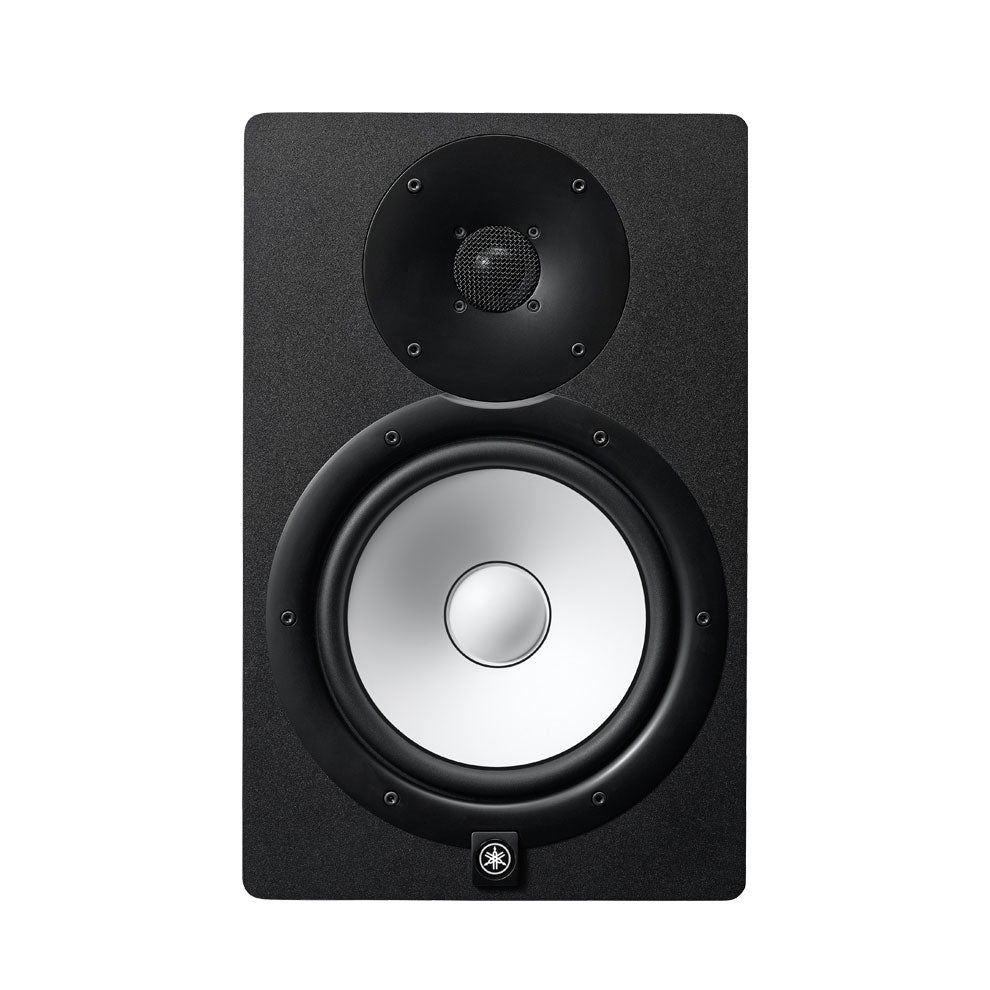
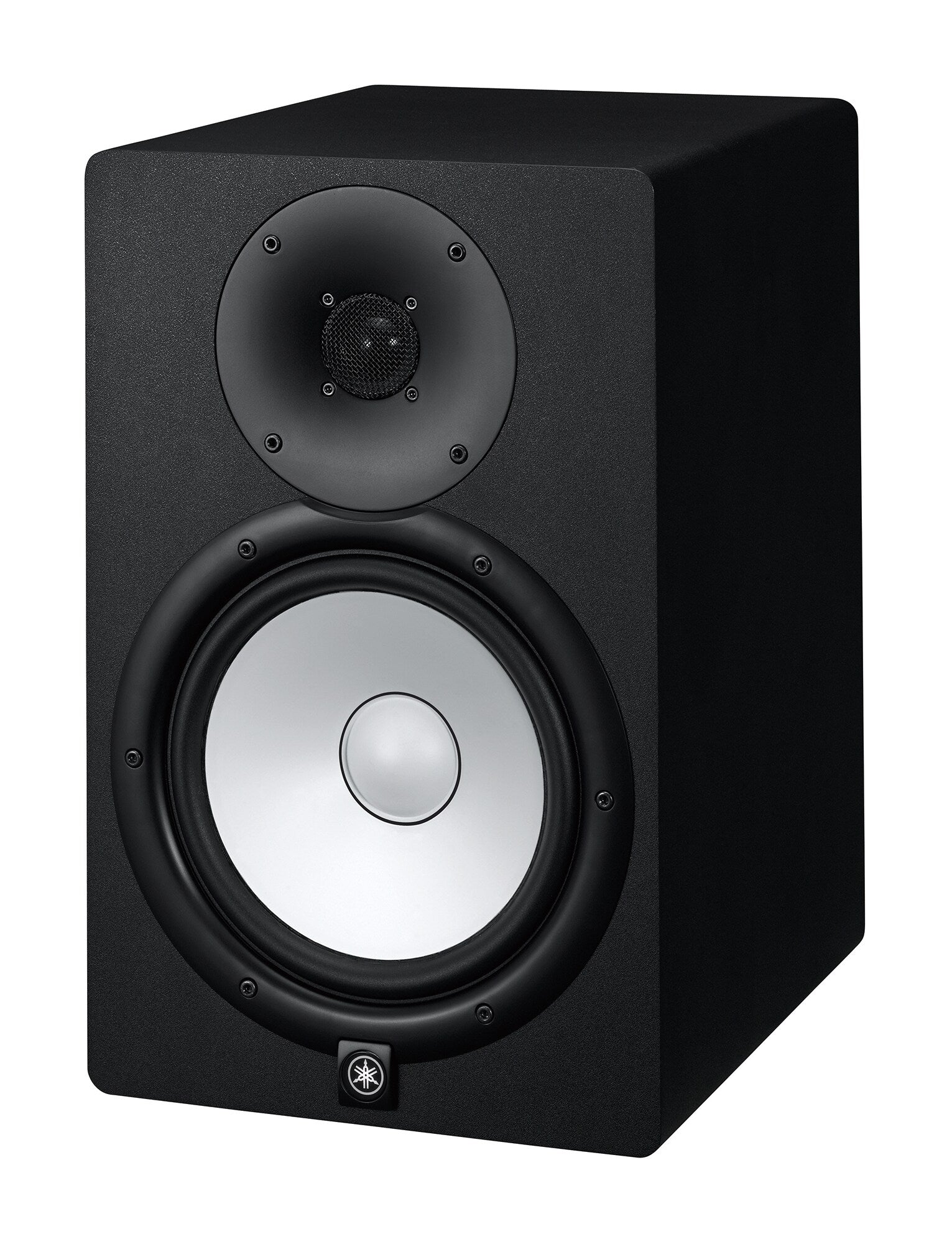
The HS8 is the largest monitor in the HS line: an 8-inch woofer, a 1-inch dome tweeter and 120 W of bi-amplification per speaker, split 75 W low and 45 W high, reaching down to 38 Hz. It reaches lower than any other HS monitor without help from a subwoofer.
Each cabinet is also 10.2 kg, 250 mm wide and 334 mm deep. Put them in a room that can carry them — a proper studio space, ideally with some treatment and real stands — and they are superb. Put them on a small desk against a wall and you will spend your time fighting bass that is not in the mix.
At a Glance
What You Get
- Independently powered speakers. Unlike the HS3 and HS4, where one cabinet drives the other, each HS8 has its own amplifier and its own mains lead.
- Bi-amplified 120 W per speaker — 75 W to the 8-inch woofer and 45 W to the 1-inch dome tweeter, crossing over at 2 kHz.
- Frequency response 38 Hz–30 kHz (−10 dB), 47 Hz–24 kHz (−3 dB) — the deepest reach of any HS monitor, and enough for most low-end work without a subwoofer.
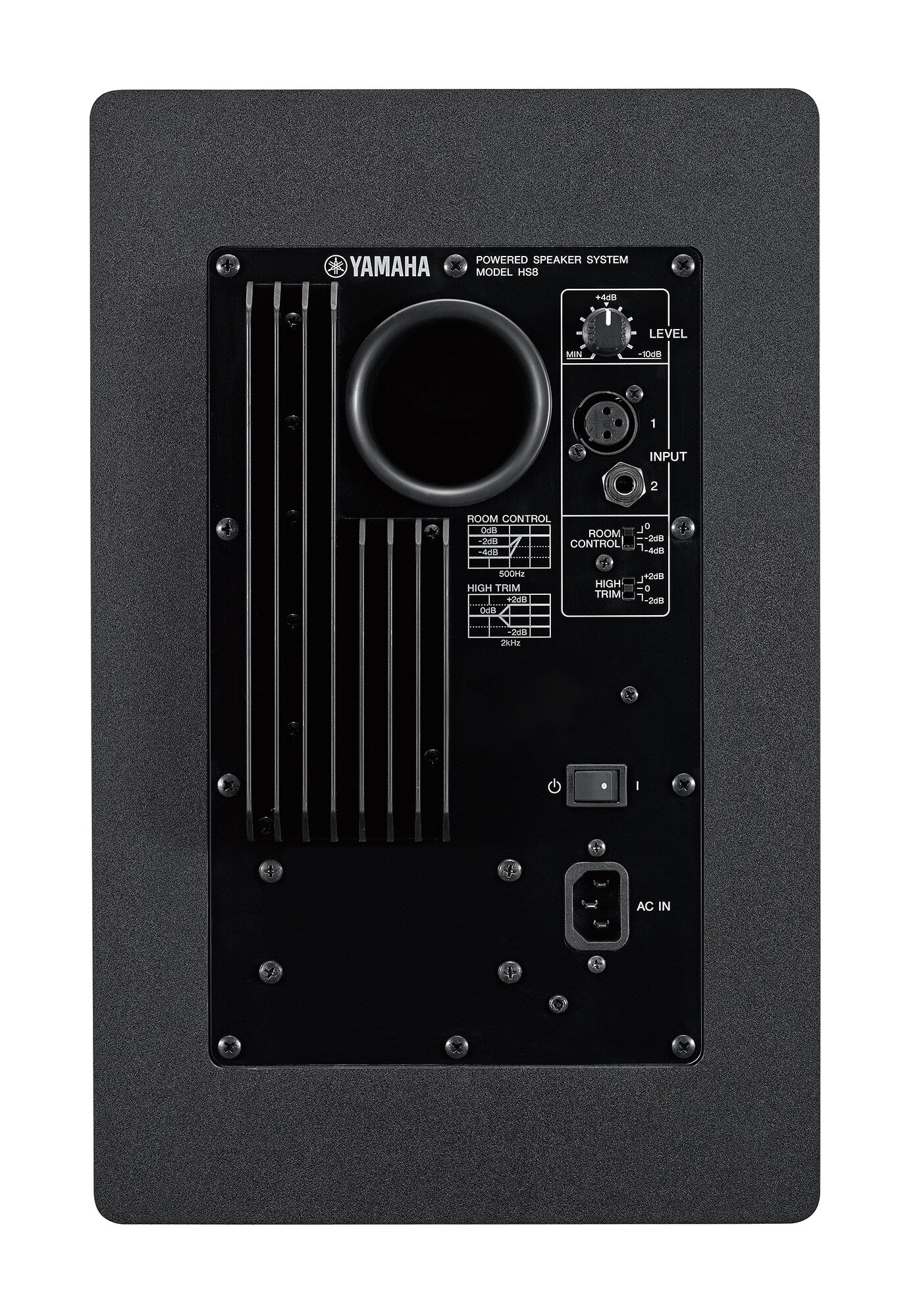
- Balanced XLR and TRS inputs on each speaker. An audio interface or mixer is required — there is no RCA or 3.5 mm socket.
- Room Control and High Trim switches on every cabinet — cut 2 or 4 dB below 500 Hz for wall or corner placement, and ±2 dB at high frequencies. On monitors this size, the Room Control switch is not optional in most rooms.
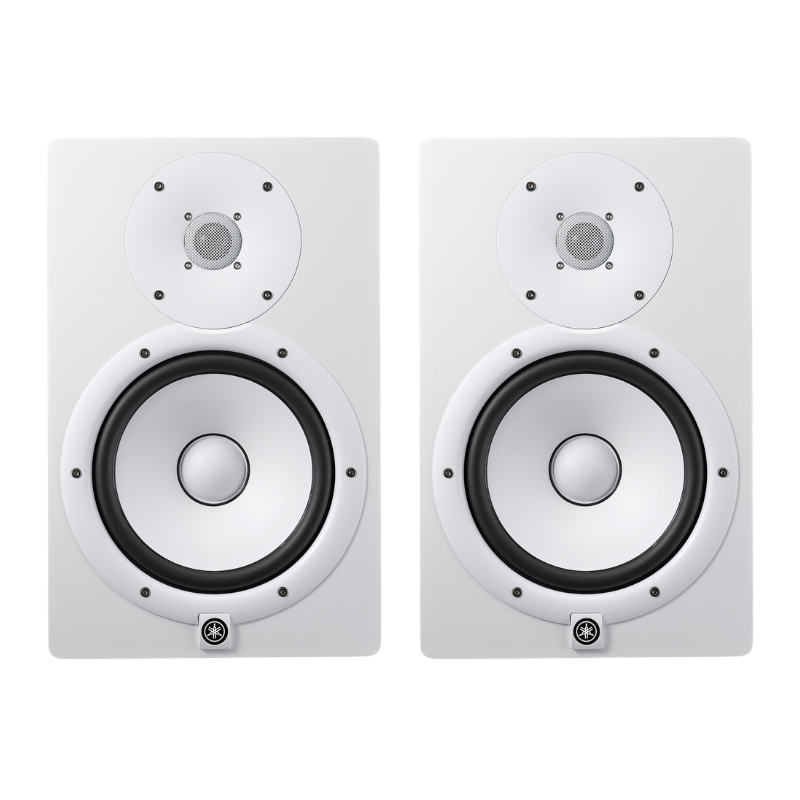
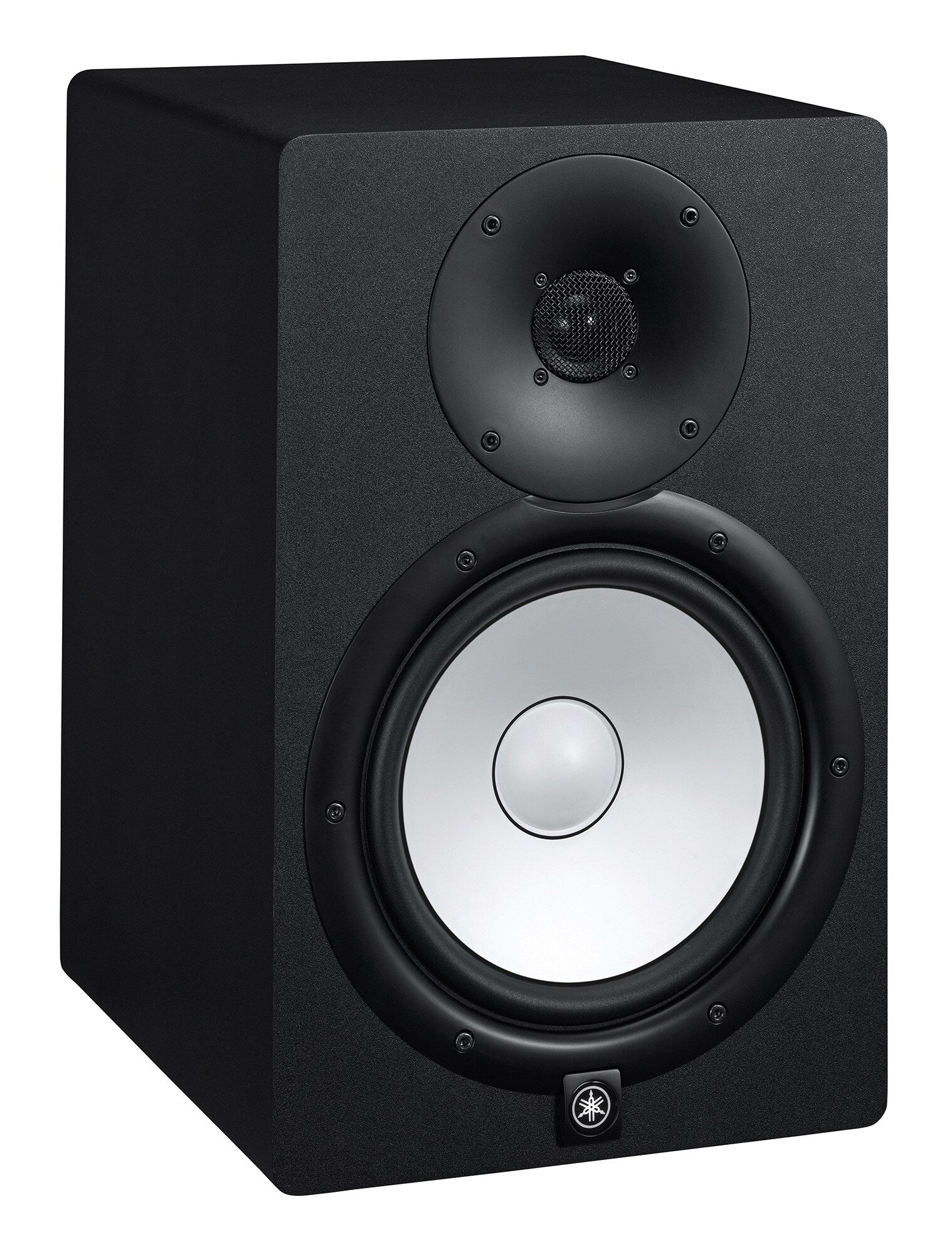
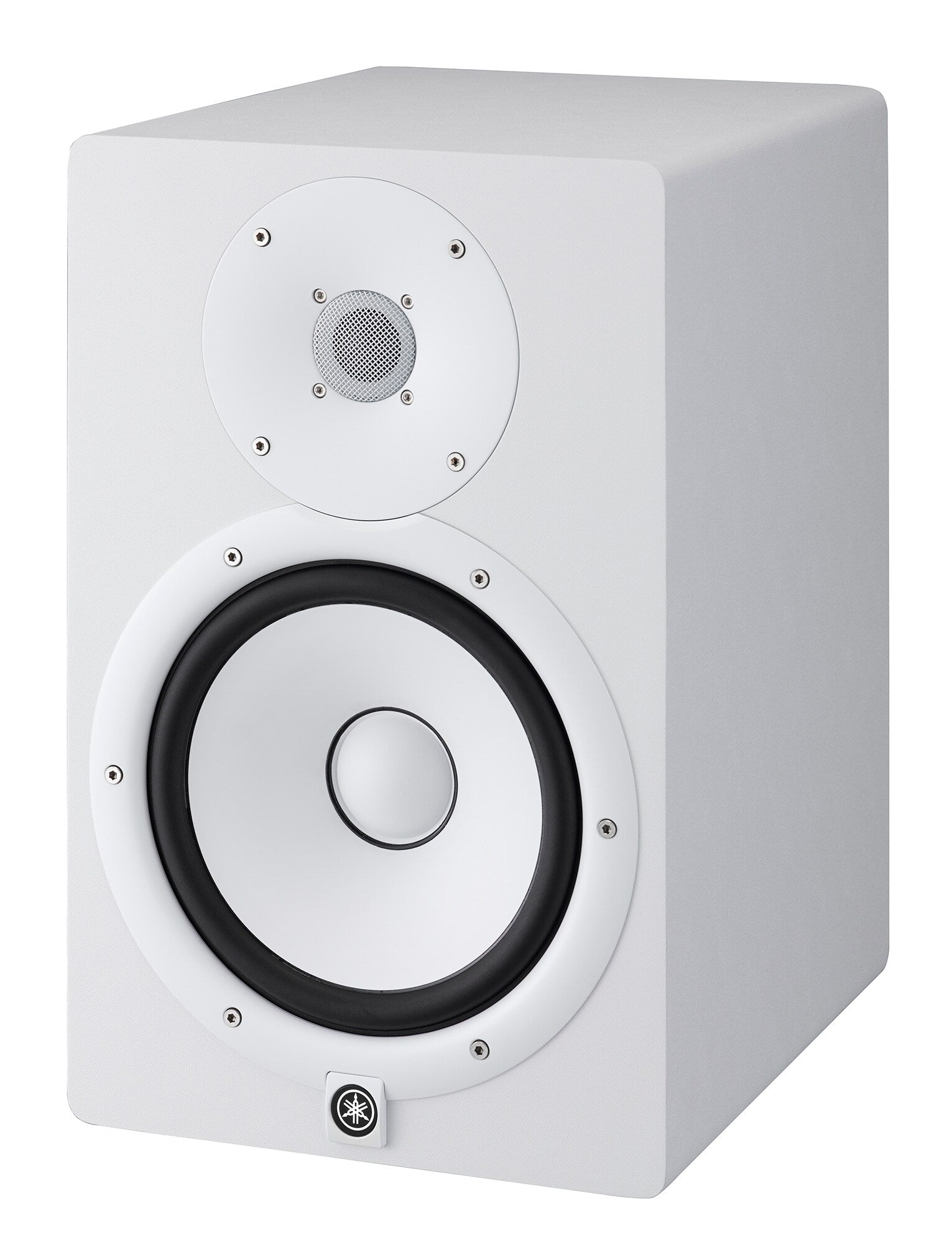
- 250 × 390 × 334 mm and 10.2 kg per speaker, in black or white at the same price. Measure your desk and check your stands are rated for the weight.
Before You Buy: Two Things That Catch People Out
1. The room matters more than the speaker at this size
An 8-inch woofer in a small untreated bedroom will excite room modes hard. You end up hearing the room, not the mix, and mixes made that way translate badly. If your space is under roughly 12 square metres or has no treatment, an HS7 pair — or even an HS5 pair — will give you more reliable decisions for less money. We would rather sell you the right size than the biggest one.
2. You will need an audio interface, and proper stands
Balanced XLR and TRS inputs only, so a laptop headphone output will not do. And at 10.2 kg each these want stands rated for the load, decoupled from the desk, with the tweeter at ear height.
The Yamaha HS Range at YMS
Every HS studio monitor we stock. The HS5, HS7 and HS8 come as pairs, factory matched pairs or single speakers; the HS3 and HS4 come as pairs, and the HS8S subwoofer is sold singly.
| Model | Woofer | Amp power | Response (-10 dB) | Inputs | Amplification |
|---|---|---|---|---|---|
| HS3 | 3.5" | 26 W + 26 W | 70 Hz - 22 kHz | XLR/TRS, RCA, 3.5 mm | Left powered, right passive |
| HS4 | 4.5" | 26 W + 26 W | 60 Hz - 22 kHz | XLR/TRS, RCA, 3.5 mm | Left powered, right passive |
| HS5 | 5" | 70 W per speaker | 54 Hz - 30 kHz | XLR, TRS | Both speakers powered |
| HS7 | 6.5" | 95 W per speaker | 43 Hz - 30 kHz | XLR, TRS | Both speakers powered |
| HS8 | 8" | 120 W per speaker | 38 Hz - 30 kHz | XLR, TRS | Both speakers powered |
| HS8S | 8" subwoofer | 150 W | 22 Hz - 160 Hz | XLR, TRS | Subwoofer, sold singly |
FAQ
Q. How many speakers do I get?
Two with either pair option — a complete stereo pair for the price shown — or one with the Single Speaker option. Every speaker is fully powered, with its own amplifier and mains lead.
Q. What is the Factory Matched Pair?
Two HS8 speakers that Yamaha selects at the factory for closely matched frequency response, so the left and right sides sound as alike as possible and the stereo image is more precise. The specification is otherwise identical to a standard pair. It is available in black.
Q. Is my room big enough?
As a rough guide: under about 12 square metres, or with no acoustic treatment at all, the HS8 is more speaker than the room can use. The HS7 is usually the better decision there. Tell us your room dimensions and we will give you a straight answer rather than sell you up.
Q. HS8 or HS7 plus an HS8S subwoofer?
For most people, the HS8 pair. Adding a subwoofer brings crossover alignment and placement problems that are hard to solve without measurement, and the HS8S costs more than a pair of HS7s. A sub earns its place when you genuinely need content below 40 Hz — film, electronic music — in a room set up for it.
Q. What do I need to connect them?
An audio interface or mixer with balanced outputs, plus two XLR or TRS cables. There is no RCA or 3.5 mm input.
Q. Can I buy just one speaker?
Yes — choose Single Speaker above. It is the same speaker that comes in a pair, useful for replacing a damaged unit or completing an existing setup.
Why Buy from YMS?
YMS For Music is an authorised Yamaha Premium Retailer. Every monitor is genuine Yamaha stock with full manufacturer warranty.
At this size the room decides as much as the speaker does. Come and listen in Bengaluru or Mangaluru, tell us your room dimensions, and we will tell you honestly whether the HS8 is right or whether an HS7 pair will serve you better. Secure delivery across India.
Specifications
Overview
| Model | Yamaha HS8 |
|---|---|
| Type | 2-way bi-amplified powered studio monitors, bass-reflex |
| Packaging | Pair, factory matched pair (black) or single speaker - every speaker independently powered |
| Finishes | Black or White - select above (factory matched pair in black) |
Drivers & Amplifier (each speaker)
| Woofer | 8 in cone |
|---|---|
| Tweeter | 1 in dome |
| Amplifier Power | 120 W total - LF 75 W, HF 45 W |
| Crossover | 2 kHz |
Performance
| Frequency Response (-10 dB) | 38 Hz - 30 kHz |
|---|---|
| Frequency Response (-3 dB) | 47 Hz - 24 kHz |
| Room Control | 0 / -2 / -4 dB under 500 Hz |
| High Trim | +/-2 dB at high frequencies |
Connections
| Inputs (each speaker) | XLR3-31 type (balanced), PHONE / TRS (balanced) |
|---|---|
| RCA or 3.5 mm | Not fitted - an audio interface or mixer is required |
General
| Dimensions each (W x H x D) | 250 x 390 x 334 mm |
|---|---|
| Net Weight | 10.2 kg each |
Pair options are priced and counted as pairs; the Single Speaker option is one speaker. An 8-inch woofer needs a room that can support it - in spaces under roughly 12 square metres or without treatment, an HS7 pair is usually the better choice. Specifications from Yamaha official product data.
Similar products
-
Yamaha HS7 6.5-Inch Powered Studio Monitors (Pair)
MRP₹30,90030% OFFYMS Price from₹21,535 -
Yamaha HS4 4.5-Inch Powered Studio Monitors (Pair)
MRP₹28,10025% OFFYMS Price from₹21,075 -
-
Yamaha HS3 3.5-Inch Powered Studio Monitors (Pair)
MRP₹25,00027% OFFYMS Price₹18,225 -
-
Yamaha HS5 5-Inch Powered Studio Monitors (Pair)
MRP₹23,20031% OFFYMS Price from₹15,912
Reviews
There are no reviews yet.