Yamaha
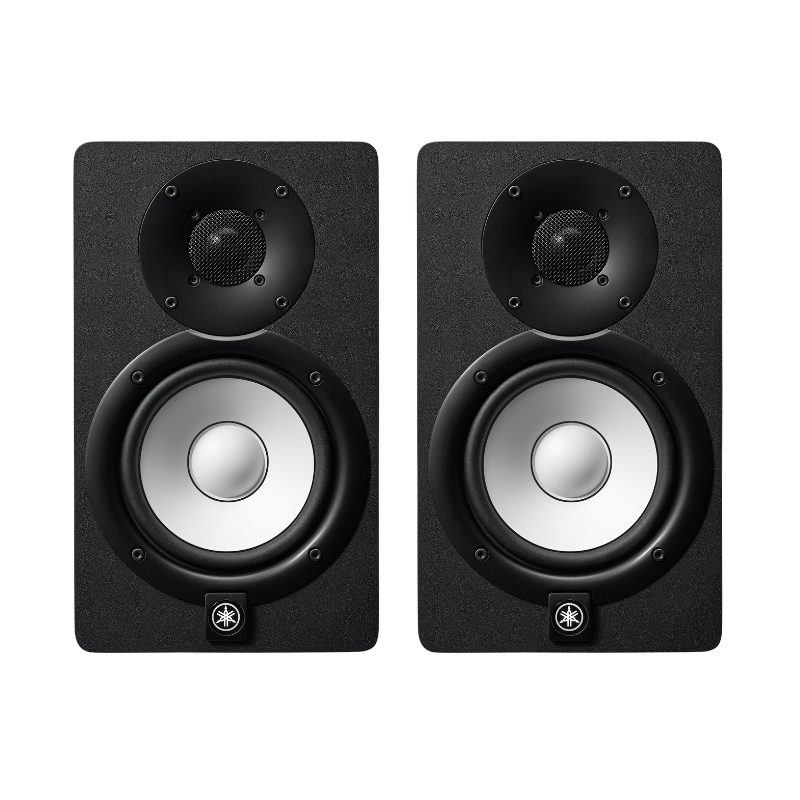
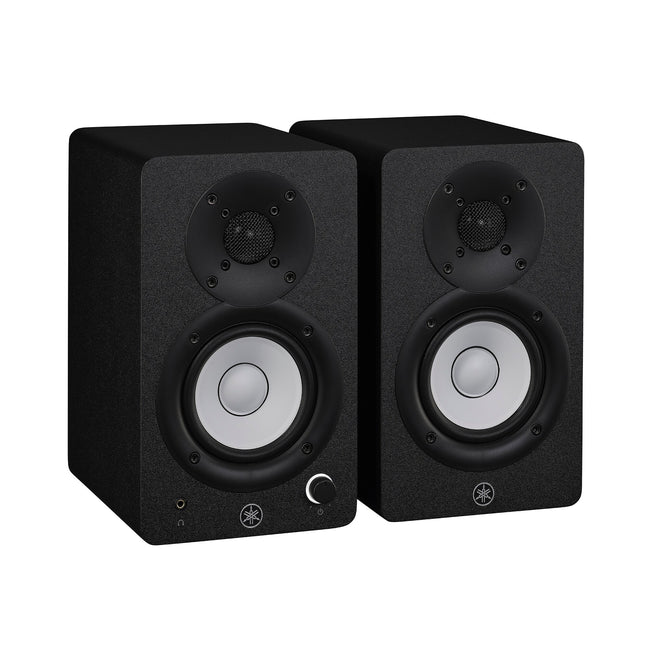
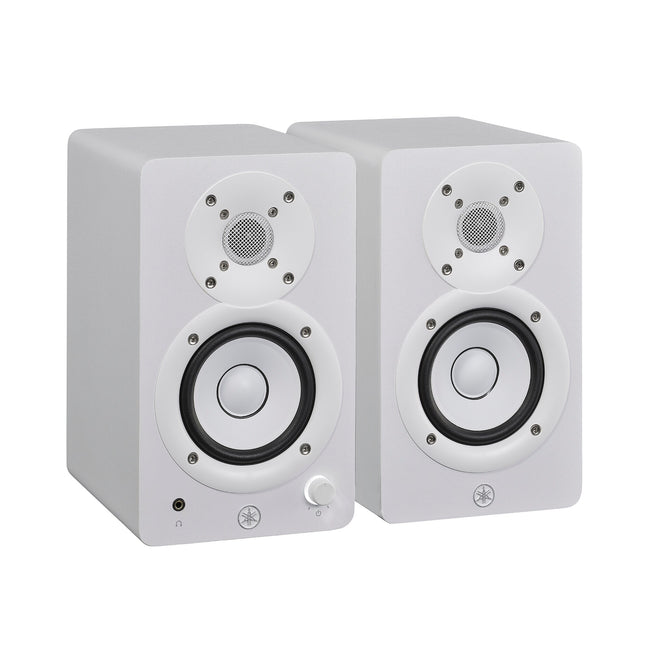
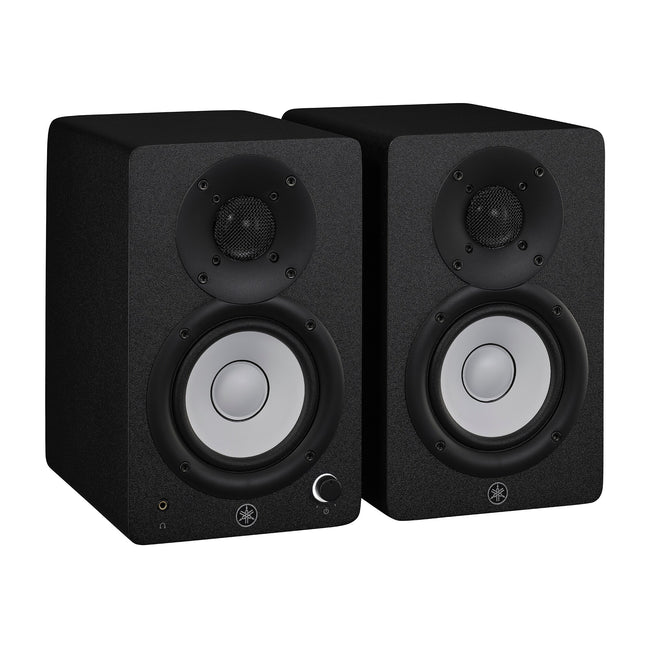
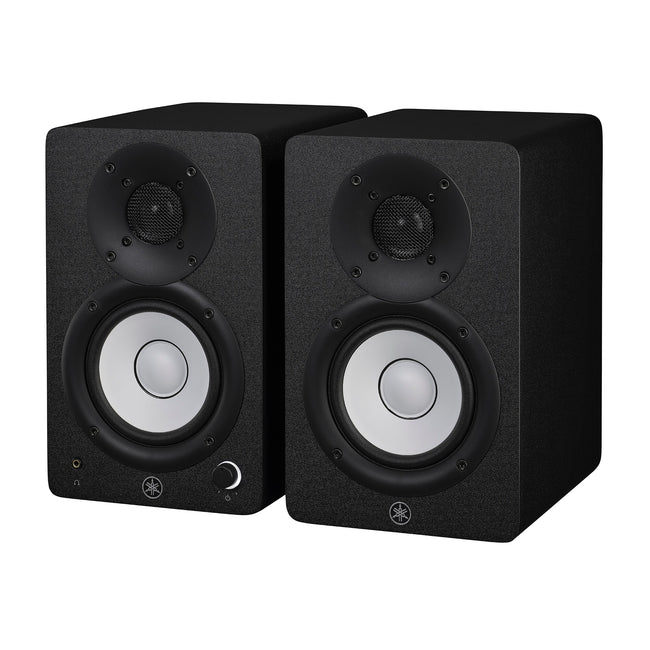
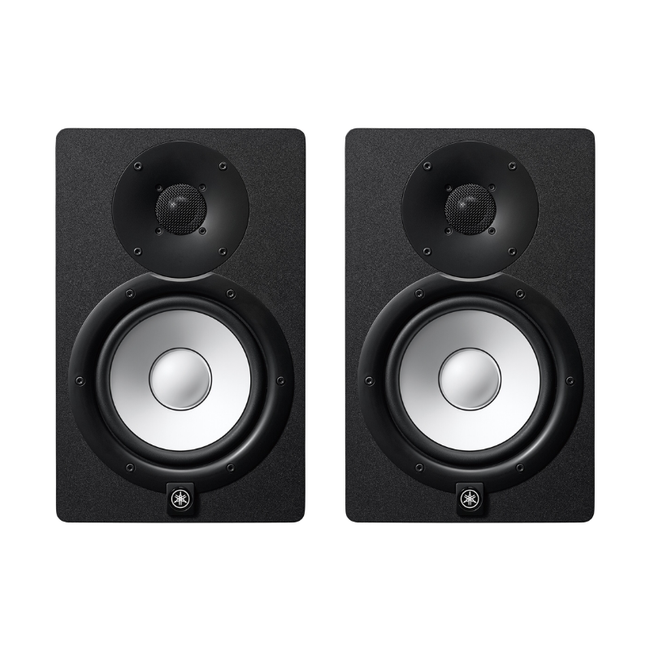
Yamaha HS5 5-Inch Powered Studio Monitors (Pair)
Yamaha HS5 5-Inch Powered Studio Monitors (Pair)
The monitor that tells you the truth. Pair, matched pair or single.
- Available as a pair, a factory matched pair or a single speaker - each independently powered
- Bi-amplified 70 W per speaker: 45 W woofer, 25 W tweeter, 2 kHz crossover
- Frequency response 54 Hz-30 kHz
- Balanced XLR and TRS inputs - an audio interface or mixer is required
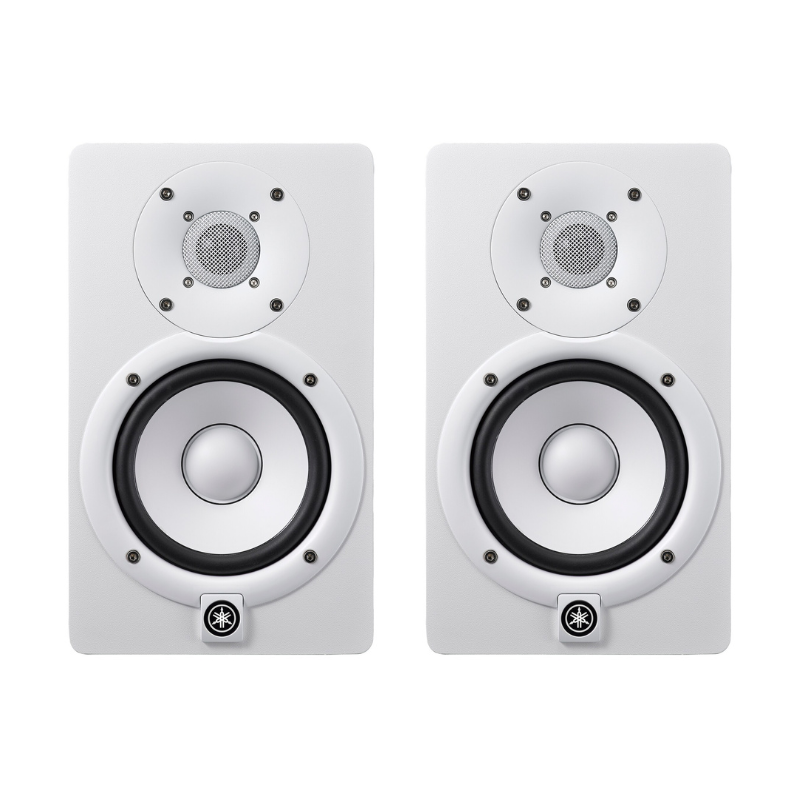
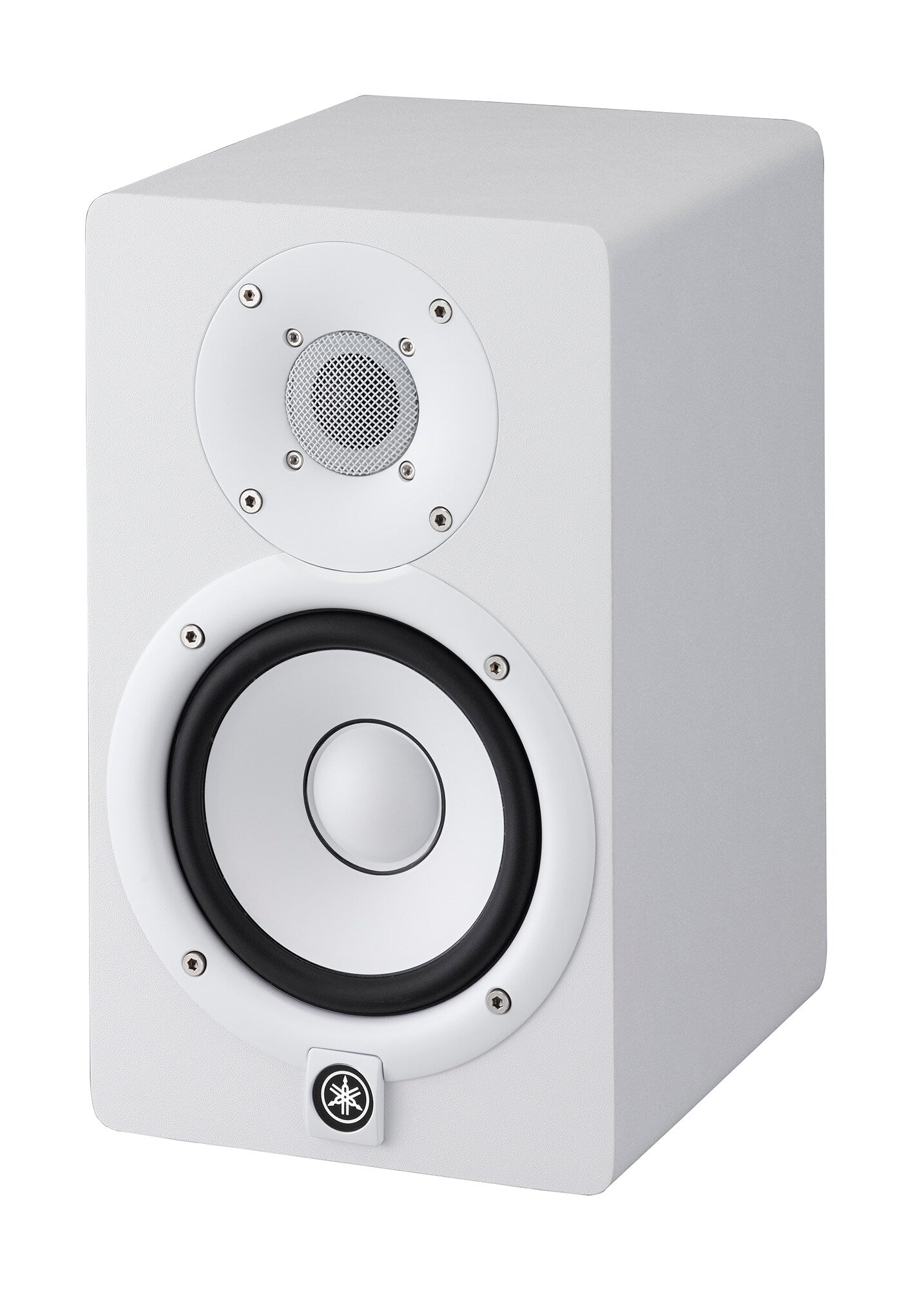
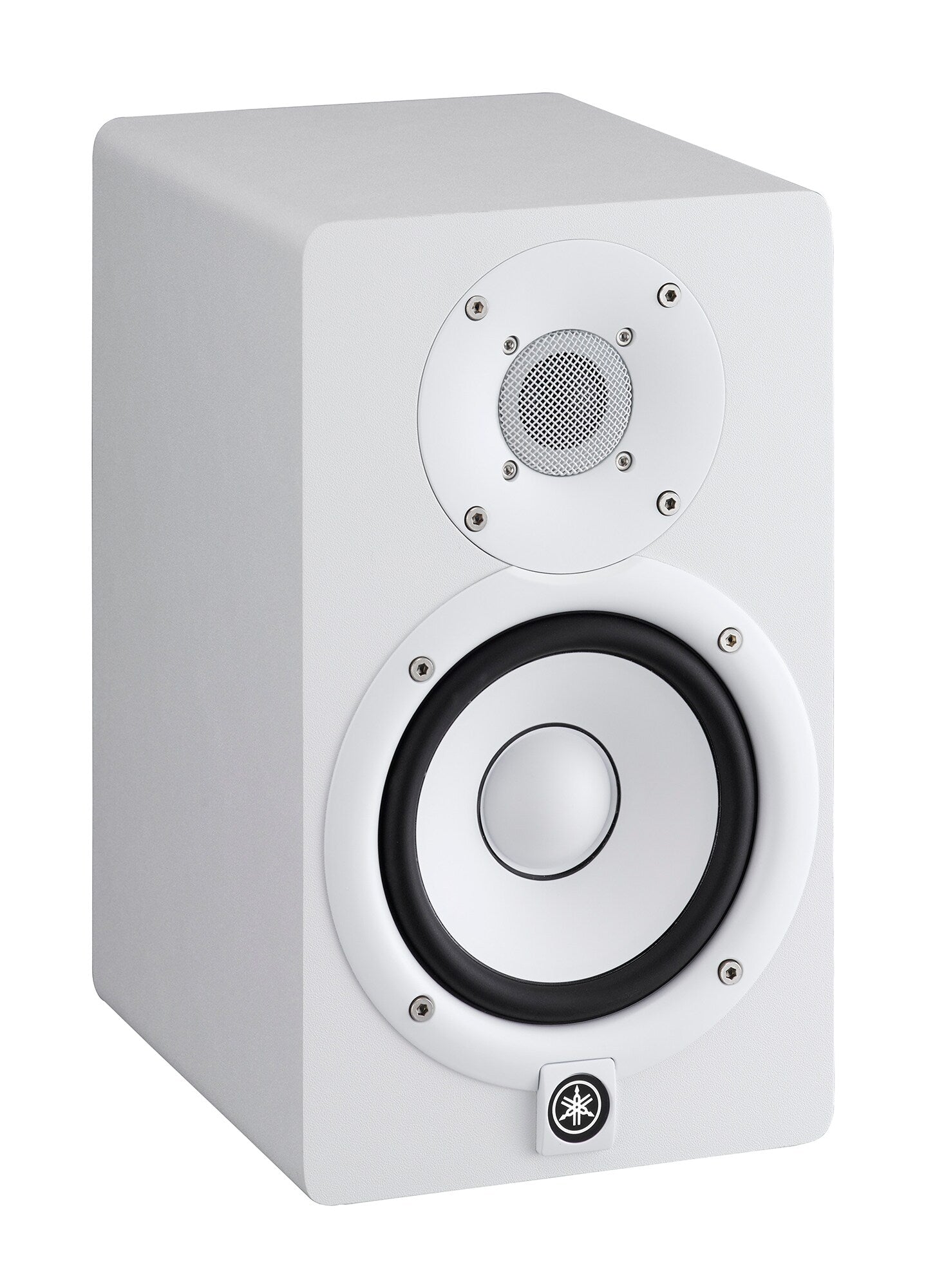
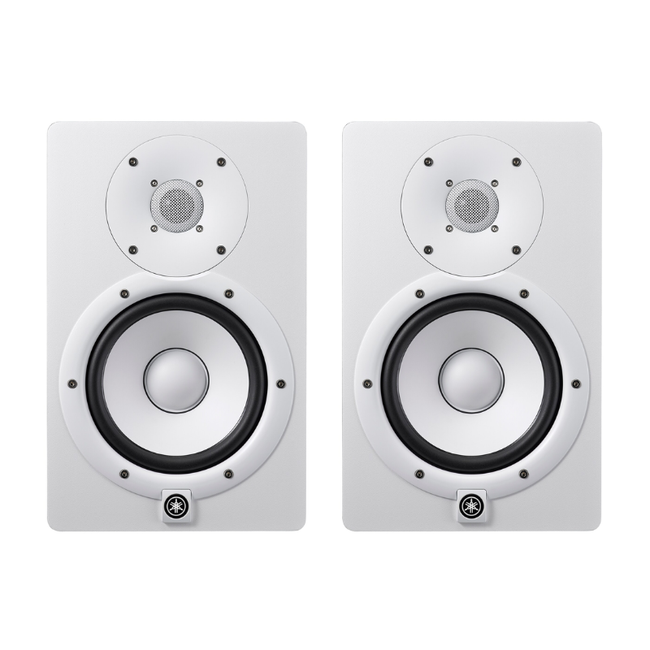
- Room Control and High Trim on both cabinets - available in black or white
Product details
Watch & Hear It
The Monitor That Tells You the Truth
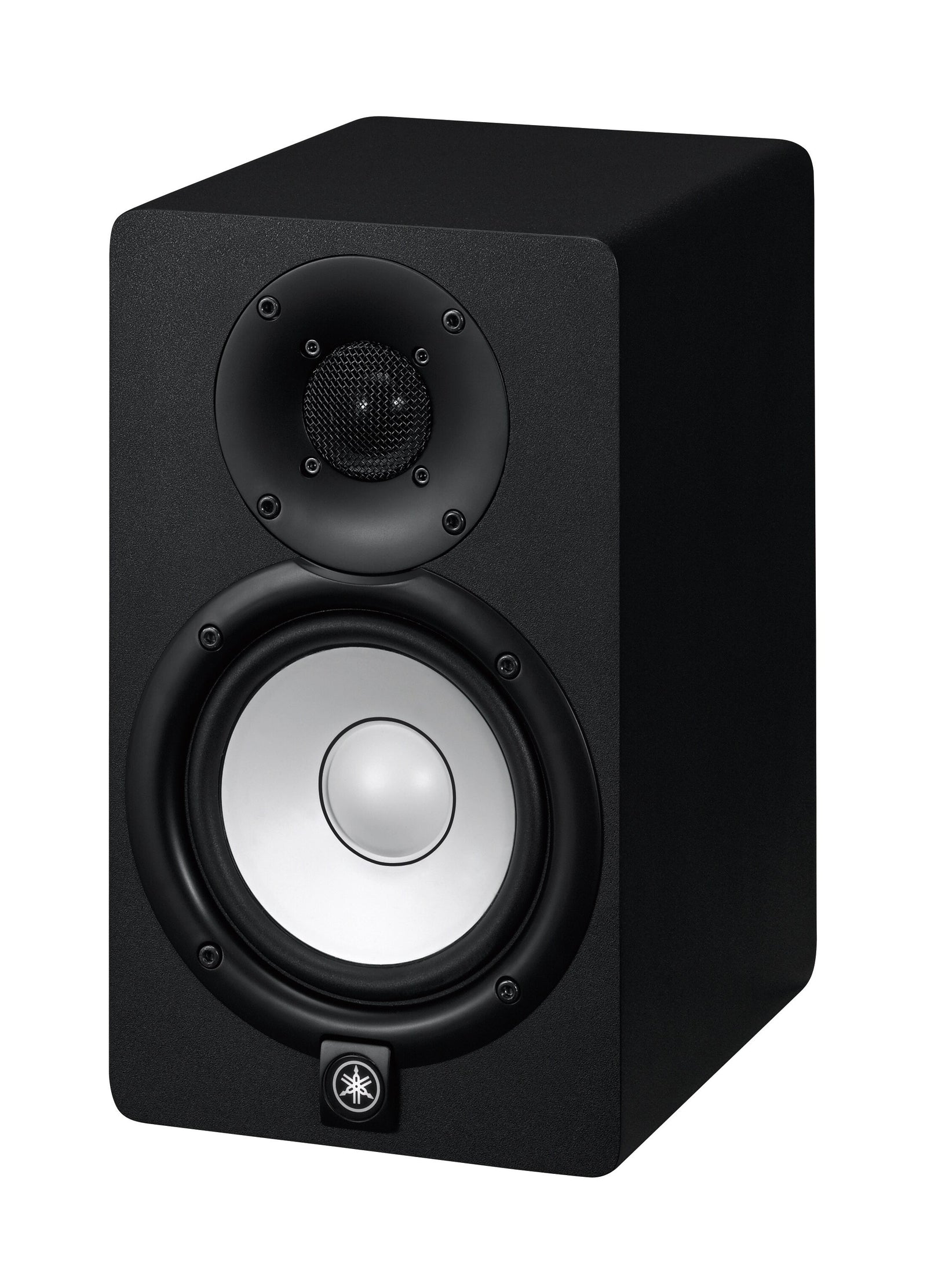
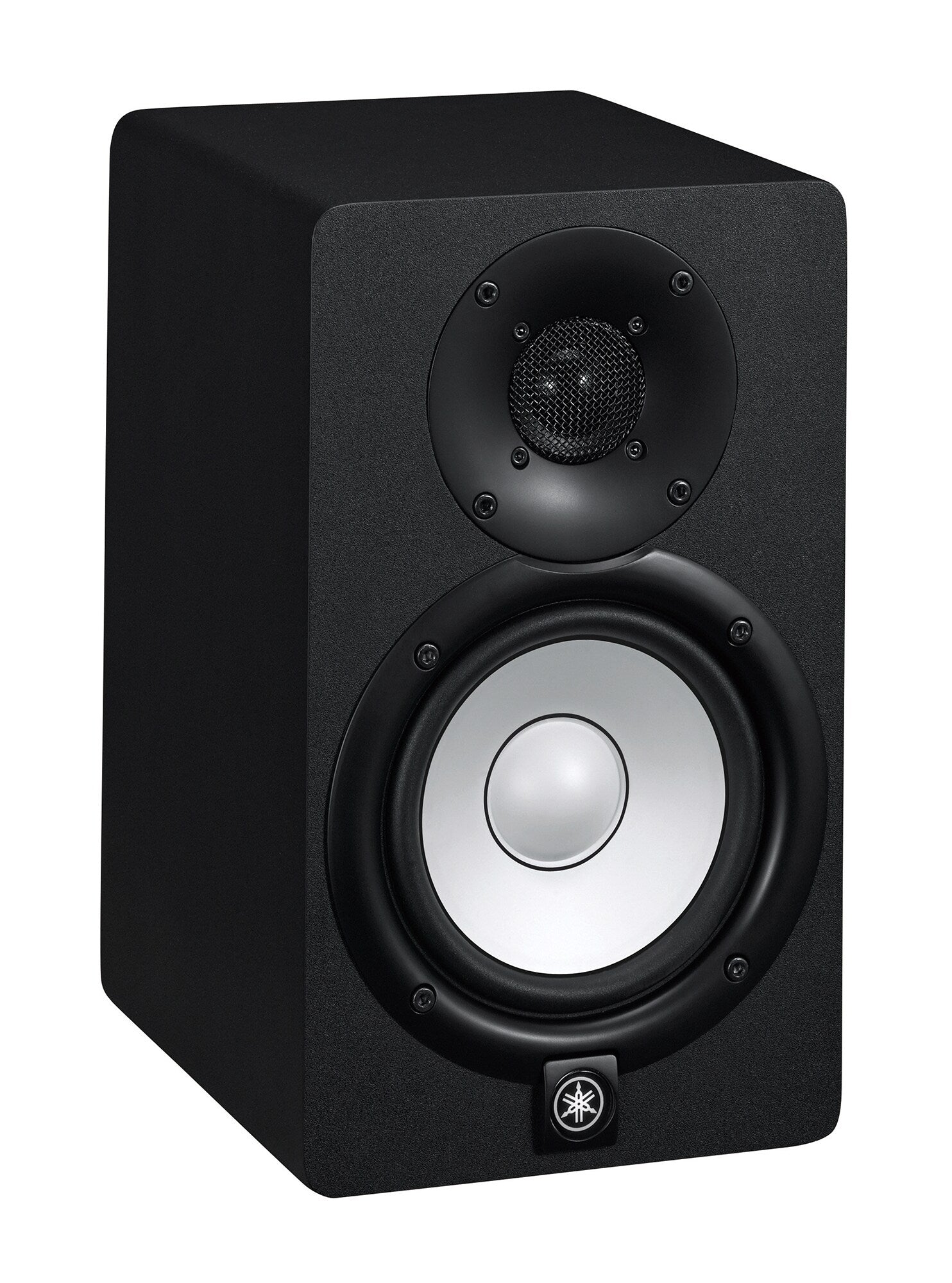
The white-cone Yamaha monitor has been the reference in project studios for a long time for one reason: it does not flatter. Each HS5 is a flat, revealing 5-inch two-way with 70 W of bi-amplification — 45 W to the woofer, 25 W to the 1-inch dome — and a response from 54 Hz to 30 kHz.
Mixes that sound good on HS5s tend to travel. That is the whole job of a monitor, and it is why this is the point in the range where most people who are serious about mixing start.
At a Glance
What You Get
- Independently powered speakers. Unlike the HS3 and HS4, where one cabinet drives the other, each HS5 has its own amplifier and its own mains lead — so you can place them as far apart as your room and cables allow.
- Bi-amplified 70 W per speaker — a dedicated 45 W amplifier for the 5-inch woofer and 25 W for the 1-inch dome tweeter, crossing over at 2 kHz.
- Frequency response 54 Hz–30 kHz (−10 dB), 74 Hz–24 kHz (−3 dB) — noticeably more low end and far more air on top than the smaller HS3 and HS4.
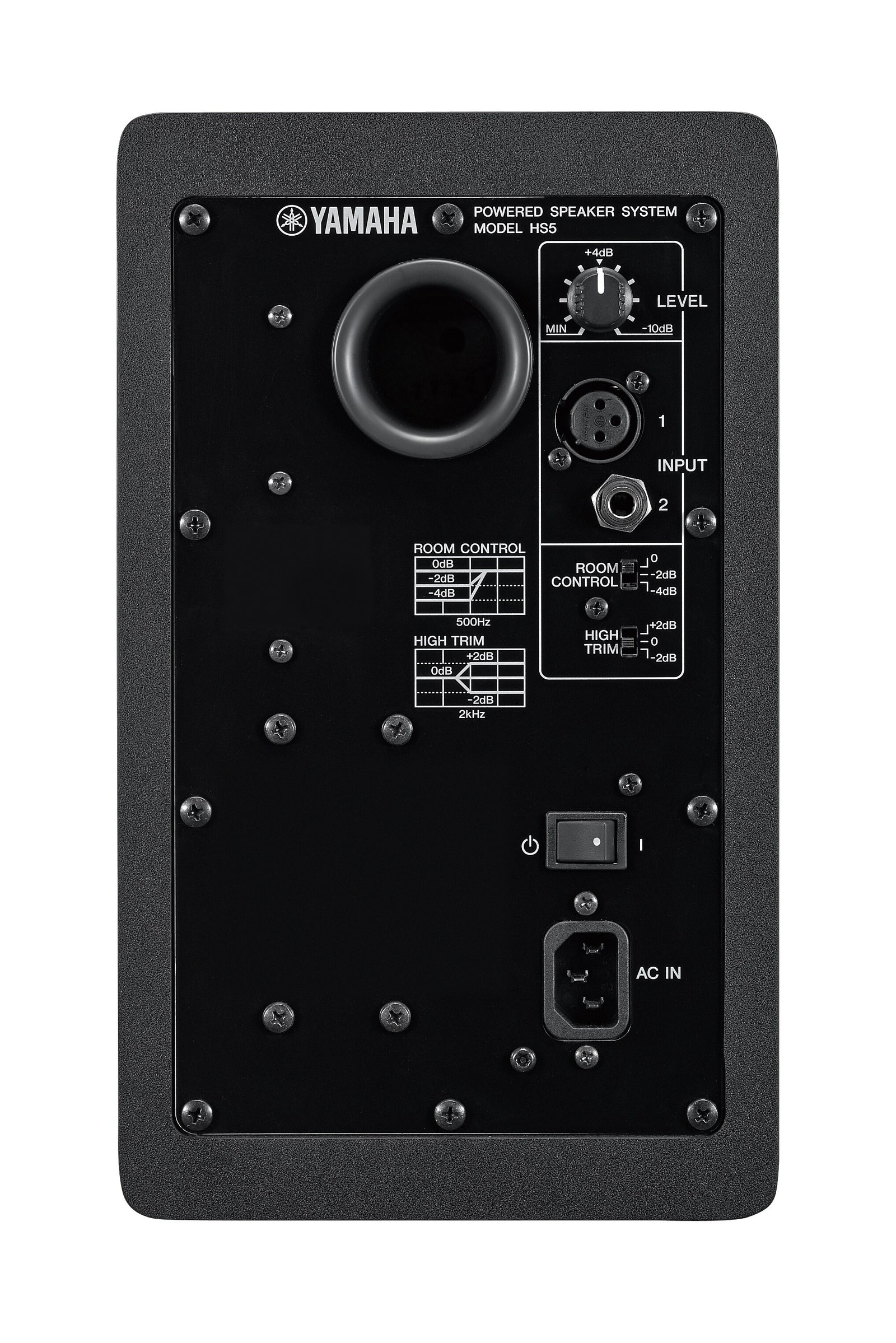
- Balanced XLR and TRS inputs on each speaker. Studio-standard connections that reject interference over long cable runs — but note you will need an audio interface or mixer to feed them.
- Room Control and High Trim switches on every cabinet, so each side can be trimmed for its own position — cut 2 or 4 dB below 500 Hz for wall or corner placement, and ±2 dB at high frequencies for bright or dead rooms.
- 170 × 285 × 222 mm and 5.3 kg per speaker, in black or white at the same price.
Before You Buy: Two Things That Catch People Out
1. You will need an audio interface
The HS5 has balanced XLR and TRS inputs only. There is no RCA and no 3.5 mm socket, so a laptop headphone output cannot drive it properly. Factor an interface into the budget if you do not already own one — this is the most common surprise on this purchase. If you would rather plug a laptop straight in, the HS3 and HS4 pairs are built for exactly that.
2. An honest monitor is unforgiving of the room
The HS5 will show you what your room is doing as clearly as what your mix is doing. Keep the speakers clear of walls where you can, set them at ear height, and use the Room Control switch when placement is not ideal — that switch exists precisely because most rooms are not treated.
The Yamaha HS Range at YMS
Every HS studio monitor we stock. The HS5, HS7 and HS8 come as pairs, factory matched pairs or single speakers; the HS3 and HS4 come as pairs, and the HS8S subwoofer is sold singly.
| Model | Woofer | Amp power | Response (-10 dB) | Inputs | Amplification |
|---|---|---|---|---|---|
| HS3 | 3.5" | 26 W + 26 W | 70 Hz - 22 kHz | XLR/TRS, RCA, 3.5 mm | Left powered, right passive |
| HS4 | 4.5" | 26 W + 26 W | 60 Hz - 22 kHz | XLR/TRS, RCA, 3.5 mm | Left powered, right passive |
| HS5 | 5" | 70 W per speaker | 54 Hz - 30 kHz | XLR, TRS | Both speakers powered |
| HS7 | 6.5" | 95 W per speaker | 43 Hz - 30 kHz | XLR, TRS | Both speakers powered |
| HS8 | 8" | 120 W per speaker | 38 Hz - 30 kHz | XLR, TRS | Both speakers powered |
| HS8S | 8" subwoofer | 150 W | 22 Hz - 160 Hz | XLR, TRS | Subwoofer, sold singly |
FAQ
Q. How many speakers do I get?
Two with either pair option — a complete stereo pair for the price shown — or one with the Single Speaker option. Every speaker is fully powered, with its own amplifier and mains lead.
Q. What is the Factory Matched Pair?
Two HS5 speakers that Yamaha selects at the factory for closely matched frequency response, so the left and right sides sound as alike as possible and the stereo image is more precise. The specification is otherwise identical to a standard pair. It is available in black.
Q. What do I need to connect them to my computer?
An audio interface or a mixer with balanced outputs, plus two cables (XLR or TRS). The HS5 has no RCA or 3.5 mm input. If you would rather connect a laptop directly with nothing in between, the HS3 and HS4 pairs are built for that.
Q. HS5 or HS7?
The HS7 has a 6.5-inch woofer, 95 W per speaker and reaches 43 Hz against the HS5's 54 Hz. In a small room the HS5 is often the more sensible choice — a bigger woofer in a space that cannot support it just gives you bass problems. In a room bigger than roughly 10 square metres, or if you work with a lot of low end, the HS7 earns the difference.
Q. Is the white version different?
No — same speakers, same price, same specification. Choose whichever suits your room.
Q. Can I buy just one speaker?
Yes — choose Single Speaker above. It is the same speaker that comes in a pair, useful for replacing a damaged unit or completing an existing setup.
Why Buy from YMS?
YMS For Music is an authorised Yamaha Premium Retailer. Every monitor is genuine Yamaha stock with full manufacturer warranty.
Monitors are worth hearing before you commit — come and listen in Bengaluru or Mangaluru. Tell us your room size and what you mix, and we will tell you honestly whether the HS5 is the right size or whether you should go up or down. Secure delivery across India.
Specifications
Overview
| Model | Yamaha HS5 |
|---|---|
| Type | 2-way bi-amplified powered studio monitors, bass-reflex |
| Packaging | Pair, factory matched pair (black) or single speaker - every speaker independently powered |
| Finishes | Black or White - select above (factory matched pair in black) |
Drivers & Amplifier (each speaker)
| Woofer | 5 in cone |
|---|---|
| Tweeter | 1 in dome |
| Amplifier Power | 70 W total - LF 45 W, HF 25 W |
| Crossover | 2 kHz |
Performance
| Frequency Response (-10 dB) | 54 Hz - 30 kHz |
|---|---|
| Frequency Response (-3 dB) | 74 Hz - 24 kHz |
| Room Control | 0 / -2 / -4 dB under 500 Hz |
| High Trim | +/-2 dB at high frequencies |
Connections
| Inputs (each speaker) | XLR3-31 type (balanced), PHONE / TRS (balanced) |
|---|---|
| RCA or 3.5 mm | Not fitted - an audio interface or mixer is required |
General
| Dimensions each (W x H x D) | 170 x 285 x 222 mm |
|---|---|
| Net Weight | 5.3 kg each |
Pair options are priced and counted as pairs; the Single Speaker option is one speaker. Both cabinets are independently powered, unlike the HS3 and HS4 where the left speaker drives a passive right. Specifications from Yamaha official product data.
Similar products
-
Yamaha HS3 3.5-Inch Powered Studio Monitors (Pair)
MRP₹25,00027% OFFYMS Price₹18,225 -
-
Yamaha HS4 4.5-Inch Powered Studio Monitors (Pair)
MRP₹28,10025% OFFYMS Price from₹21,075 -
-
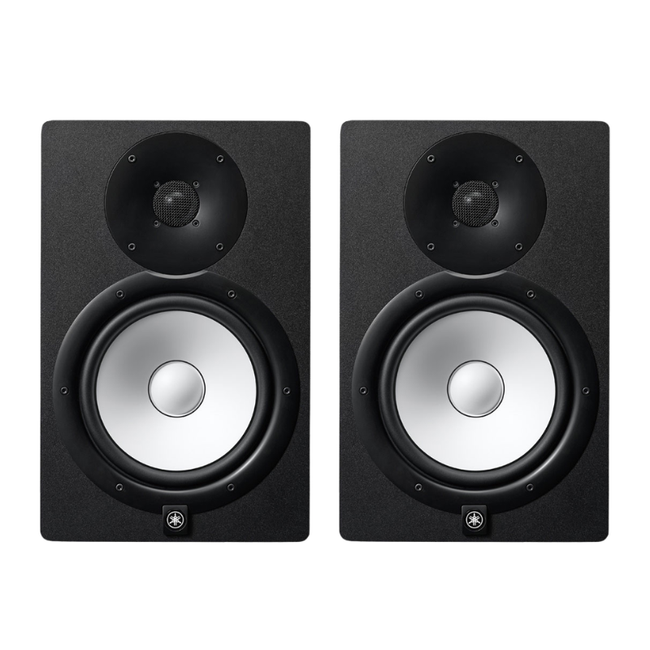
Yamaha HS7 6.5-Inch Powered Studio Monitors (Pair)
MRP₹30,90030% OFFYMS Price from₹21,535 -
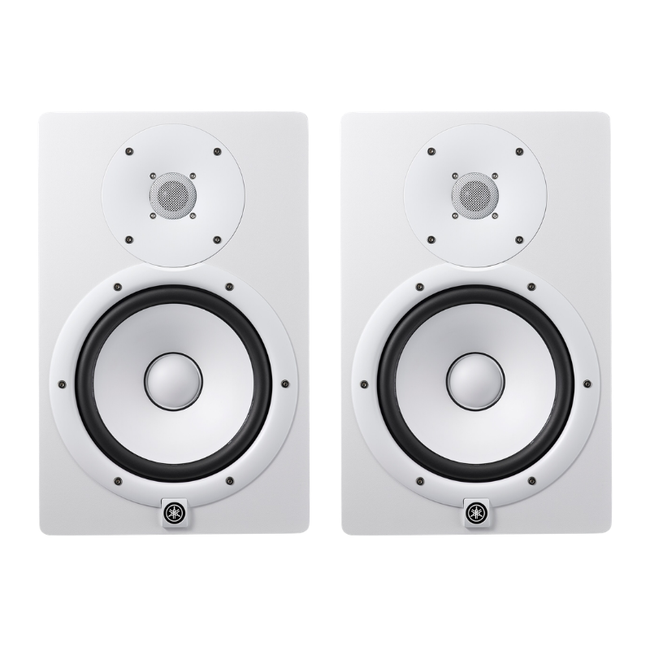
Yamaha HS8 8-Inch Powered Studio Monitors (Pair)
MRP₹35,00030% OFFYMS Price from₹24,382
Reviews
There are no reviews yet.