Yamaha
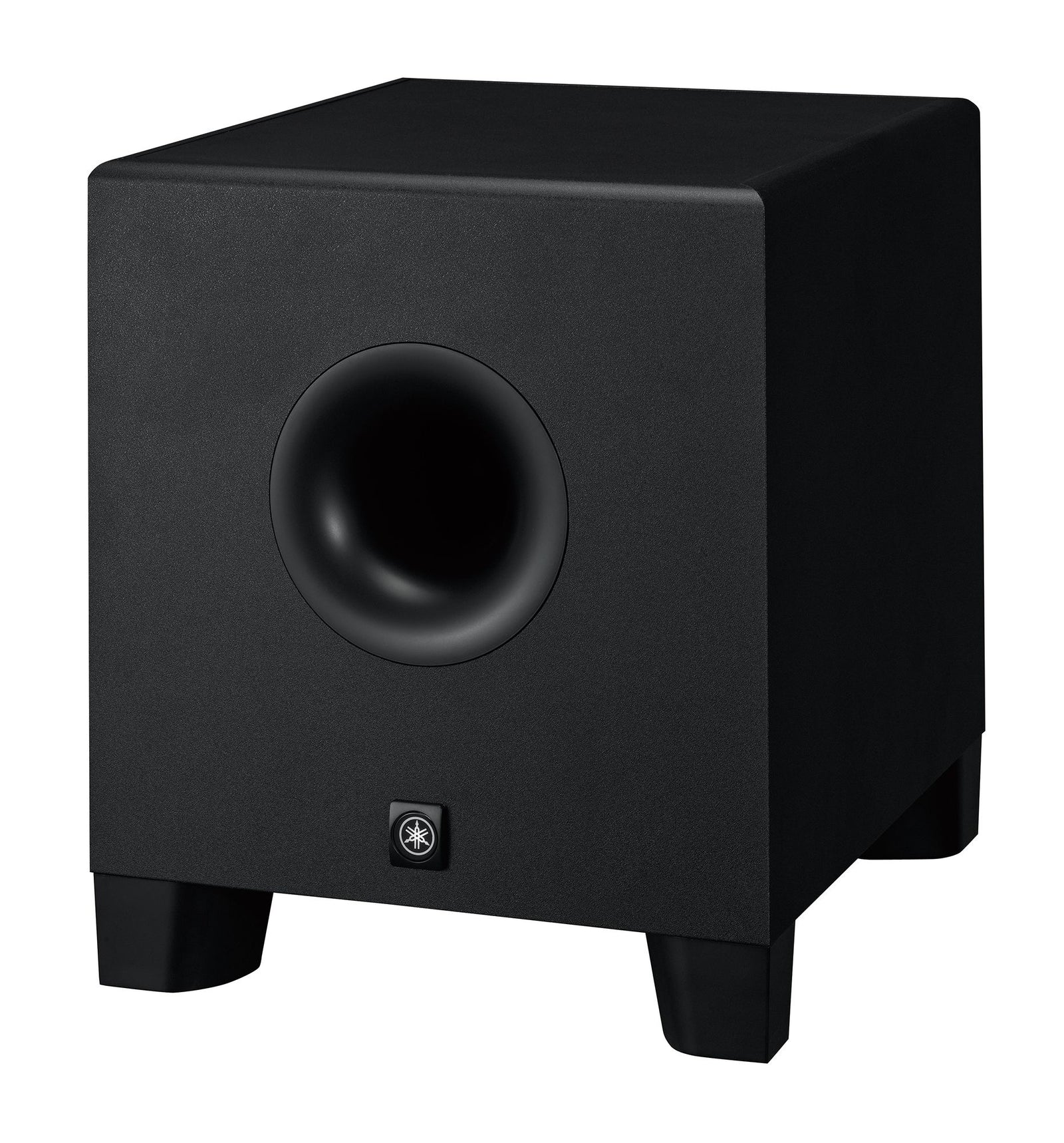
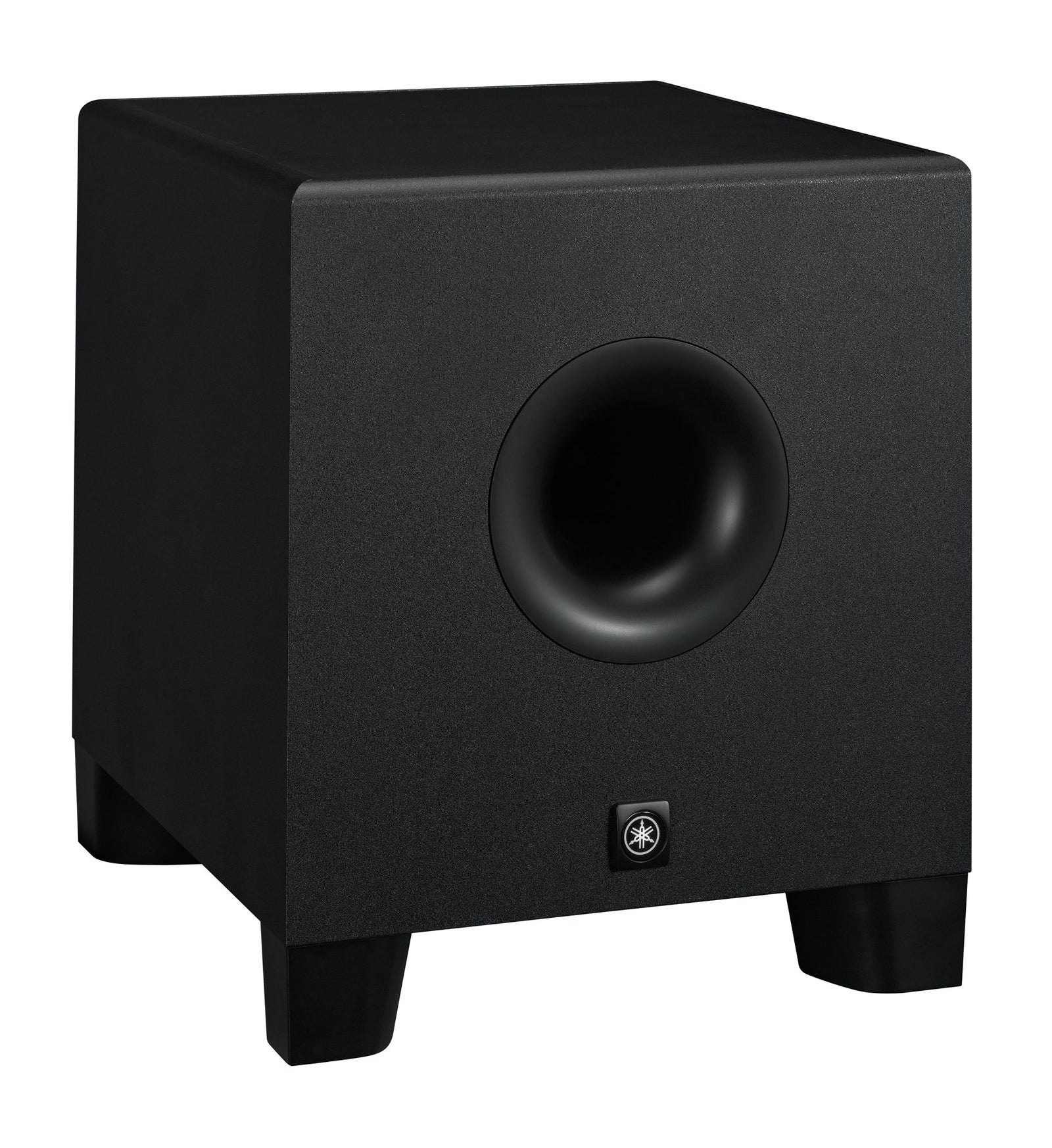
Yamaha HS8S 8-Inch Powered Studio Subwoofer
Yamaha HS8S 8-Inch Powered Studio Subwoofer
The bottom octave - if you actually need it.
- 8-inch driver with a 150 W amplifier, reaching down to 22 Hz
- Low cut and high cut both variable 80-120 Hz with a centre click
- Phase switch (normal/reverse) to stop cancellation at the crossover
- Balanced XLR and TRS connections for studio integration
- Adds low end beneath existing monitors - it does not replace them
Product details
The Bottom Octave — If You Actually Need It
The HS8S puts an 8-inch driver and a 150 W amplifier under your HS monitors and takes the system down to 22 Hz. It has proper studio controls for the job — a low cut and a high cut both variable between 80 and 120 Hz with a centre click, and a phase switch — so the crossover to your main monitors can be set rather than guessed.
Buy it if you work with content that genuinely lives below 40 Hz: electronic music, hip-hop, film and game audio. If you mix guitars, vocals and acoustic material, an HS7 or HS8 pair already covers what you need and the money is better spent elsewhere.
At a Glance
What You Get
- 150 W driving an 8-inch cone, with a frequency range of 22 Hz–160 Hz (−10 dB).
- Low cut, 80–120 Hz with a centre click — sets where the subwoofer stops handing over to your main monitors.
- High cut, 80–120 Hz with a centre click — sets where the subwoofer itself rolls off, so the two do not overlap and pile up.
- Phase switch, normal or reverse — the control that fixes the cancellation you get when the sub and the monitors are out of step at the crossover point. Getting this wrong is why badly set-up subs sound worse than none.
- Balanced XLR and TRS connections for integration into a studio signal path.
- 300 × 350 × 389 mm, 12.5 kg — a substantial floor-standing box, not a desk item.
Should You Buy a Subwoofer at All?
Buy one if...
You produce electronic music, hip-hop, film or game audio where content below 40 Hz is part of the work and you have to hear it. Or you are running a mastering or post room where the full range has to be verifiable.
Do not buy one if...
You mix bands, vocals, acoustic or podcast material. An HS7 pair reaches 43 Hz and an HS8 pair 38 Hz — below almost everything in that material. Adding a sub buys you nothing you need and a set of new problems.
And be honest about the room
A subwoofer in a small untreated room mostly amplifies room modes. If you cannot place it properly, set the crossover and check the phase, it will make your low-end decisions worse rather than better. Money spent on treatment usually beats money spent on a sub.
The Yamaha HS Range at YMS
Every HS studio monitor we stock. All are sold as pairs — only the HS8S subwoofer is a single unit.
| Model | Woofer | Amp power | Response (-10 dB) | Inputs | Amplification |
|---|---|---|---|---|---|
| HS3 | 3.5" | 26 W + 26 W | 70 Hz - 22 kHz | XLR/TRS, RCA, 3.5 mm | Left powered, right passive |
| HS4 | 4.5" | 26 W + 26 W | 60 Hz - 22 kHz | XLR/TRS, RCA, 3.5 mm | Left powered, right passive |
| HS5 | 5" | 70 W per speaker | 54 Hz - 30 kHz | XLR, TRS | Both speakers powered |
| HS7 | 6.5" | 95 W per speaker | 43 Hz - 30 kHz | XLR, TRS | Both speakers powered |
| HS8 | 8" | 120 W per speaker | 38 Hz - 30 kHz | XLR, TRS | Both speakers powered |
| HS8S | 8" subwoofer | 150 W | 22 Hz - 160 Hz | XLR, TRS | Subwoofer, sold singly |
FAQ
Q. Do I need one if I already have HS7s or HS8s?
Probably not. An HS7 pair reaches 43 Hz and an HS8 pair 38 Hz, which covers the low end of almost all instrument-based music. A sub earns its place when content below 40 Hz is part of what you make.
Q. Can I use it with an HS5, HS3 or HS4 pair?
Technically yes, and it will extend them considerably. But the HS8S costs more than any of those pairs do, which is an odd shape for a system. If low end is what you are missing on a smaller setup, moving up to an HS7 pair is usually the better spend.
Q. How do the low cut and high cut controls work together?
The high cut sets where the subwoofer stops producing sound as frequency rises; the low cut sets where your main monitors stop producing sound as frequency falls. Set both to a similar point — typically just below your monitors' usable limit — so the two hand over cleanly instead of overlapping and doubling the level around the crossover.
Q. What does the phase switch do?
It flips the subwoofer's polarity. Because the sub sits in a different place from the monitors, its output can arrive out of step with theirs and cancel rather than add around the crossover. Play a bass-heavy reference, flip the switch, and keep whichever position sounds fuller. It takes a minute and it is the difference between a sub that helps and one that hurts.
Q. Where should it go?
Usually on the floor between or slightly to one side of the monitors, away from a corner. Corners raise output but excite room modes hardest. Expect to move it a few times and listen before settling — placement matters more than any setting on the panel.
Why Buy from YMS?
YMS For Music is an authorised Yamaha Premium Retailer. Every monitor is genuine Yamaha stock with full manufacturer warranty.
A subwoofer is the easiest item in a studio to buy unnecessarily. Tell us your room and what you produce, and we will tell you honestly whether this is the right next purchase or whether the money belongs elsewhere. Demo in Bengaluru and Mangaluru, secure delivery across India.
Specifications
Overview
| Model | Yamaha HS8S |
|---|---|
| Type | Powered studio subwoofer, bass-reflex |
| Packaging | Sold individually |
Driver & Amplifier
| Driver | 8 in cone |
|---|---|
| Amplifier Power | 150 W |
Performance & Controls
| Frequency Range (-10 dB) | 22 Hz - 160 Hz |
|---|---|
| Low Cut | 80-120 Hz, centre click |
| High Cut | 80-120 Hz, centre click |
| Phase | Normal / Reverse switch |
Connections
| Inputs / Outputs | Balanced XLR and TRS |
|---|
General
| Dimensions (W x H x D) | 300 x 350 x 389 mm |
|---|---|
| Net Weight | 12.5 kg |
A subwoofer supplements a pair of monitors; it is not a standalone speaker. An HS7 pair already reaches 43 Hz and an HS8 pair 38 Hz, so a sub is only necessary for work with content below 40 Hz. Specifications from Yamaha official product data.
Similar products
-
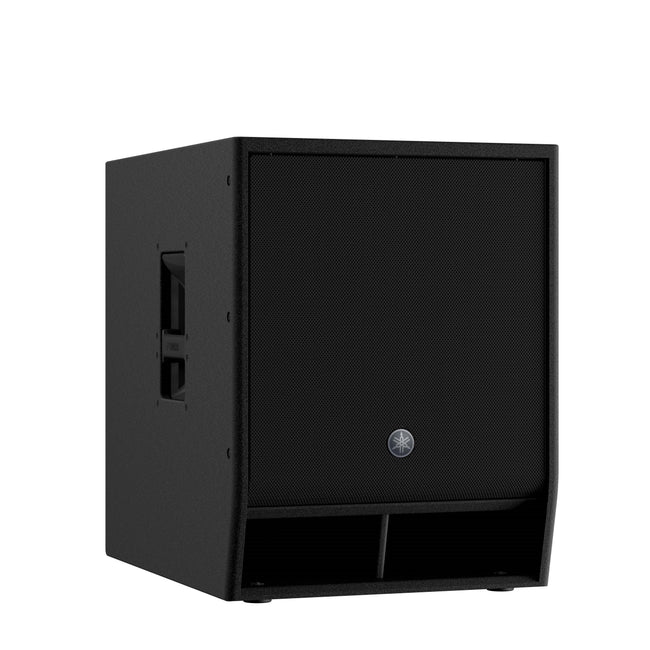
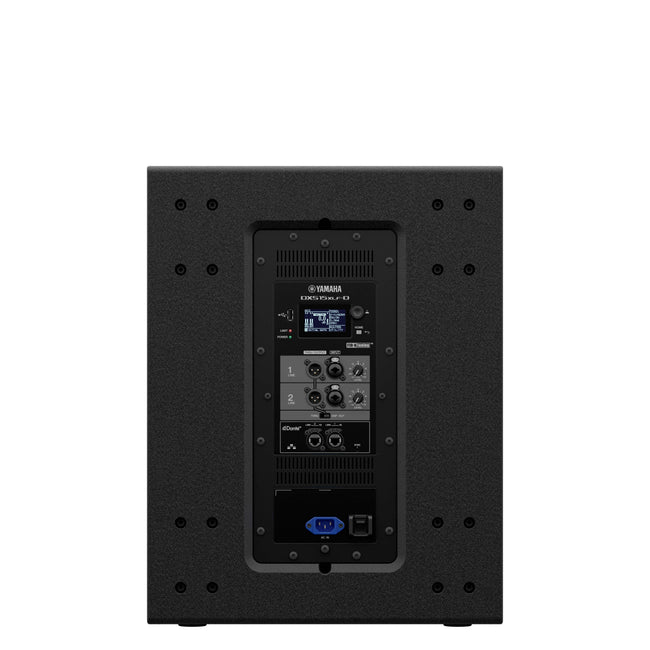
Yamaha DXS15XLF Powered Subwoofer
MRP₹1,30,20025% OFFYMS Price₹97,650
Reviews
There are no reviews yet.